Section heading
Highlight 1
Highlight 2
Highlight 3


Heading
Value 1
Label 1
Value 2
Label 2
Value 3
Label 3
Section heading
Add the section description.

Section heading
Heading
Value 1
Label 1
Value 2
Label 2
Value 3
Label 3
Section heading
Section heading
Section heading
Heading
Value 1
Label 1
Value 2
Label 2
Value 3
Label 3
Highlight 1
Highlight 2
Highlight 3
Section heading
Section heading
Section heading
Add the section description.
Heading
Value 1
Label 1
Value 2
Label 2
Value 3
Label 3
Section heading
Heading
Value 1
Label 1
Value 2
Label 2
Value 3
Label 3



Helping support teams find answers faster

A global tech company wanted to make it faster and easier for customers to get help. We built an AI support assistant that turns help-center content into conversational guidance, helping customers clarify their issue and understand what to do next.
Built an AI assistant with automatic support-article ingestion.
Designed a simple conversational experience that guides customers from a question to an actionable next step.
Developed an approach to handling misspelled questions, ambiguous requests, and follow-up conversations.
Customers had to work out where to look, navigate support content, and interpret the information they found. Even when the right article existed, reaching a useful answer could take effort.
The goal was to reduce that burden: make support easier to navigate and bring relevant guidance directly to the customer.
An assistant that helps customers move forward
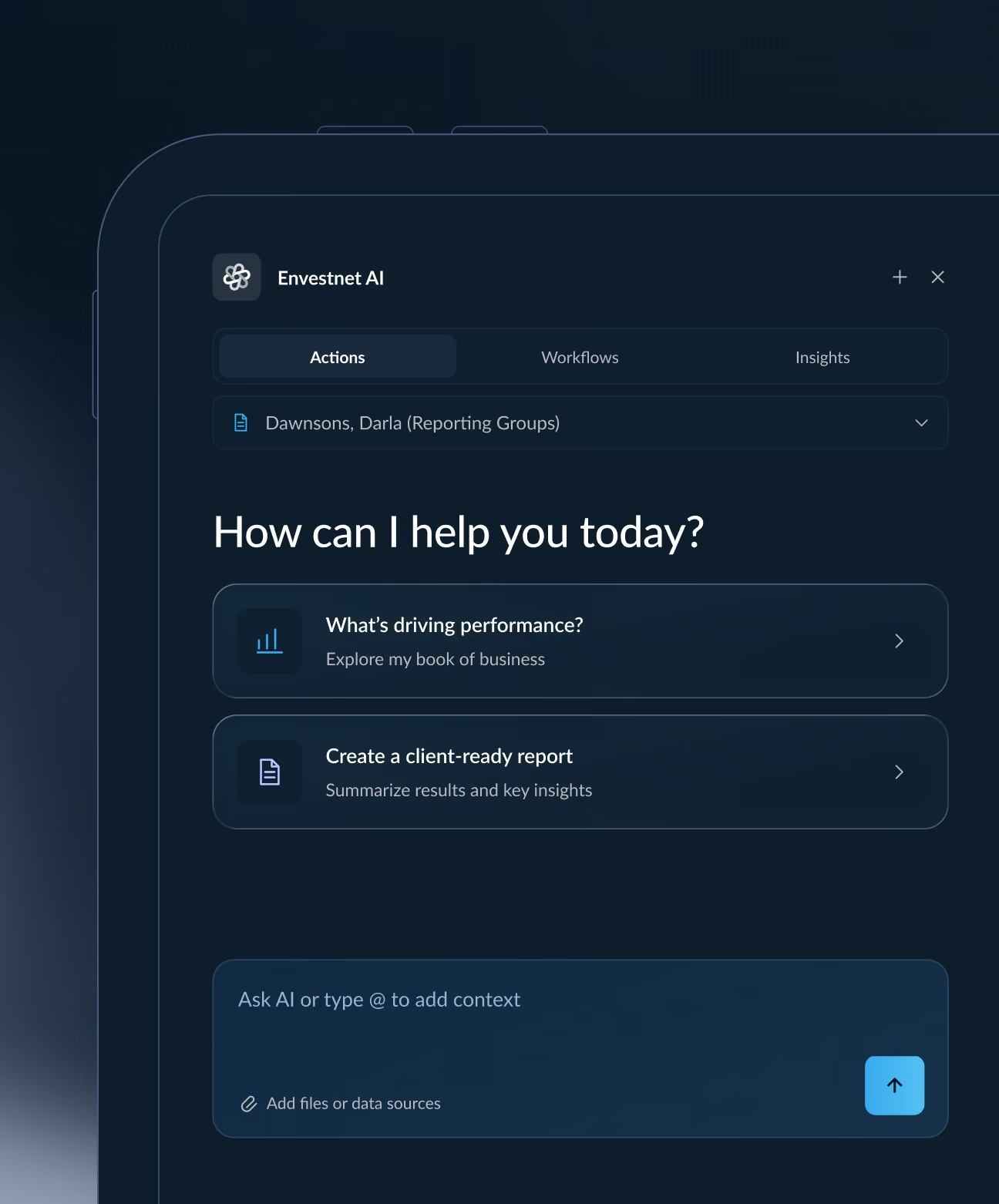
We built an AI-driven support assistant that draws on existing help-center articles and presents guidance through a simple interface.
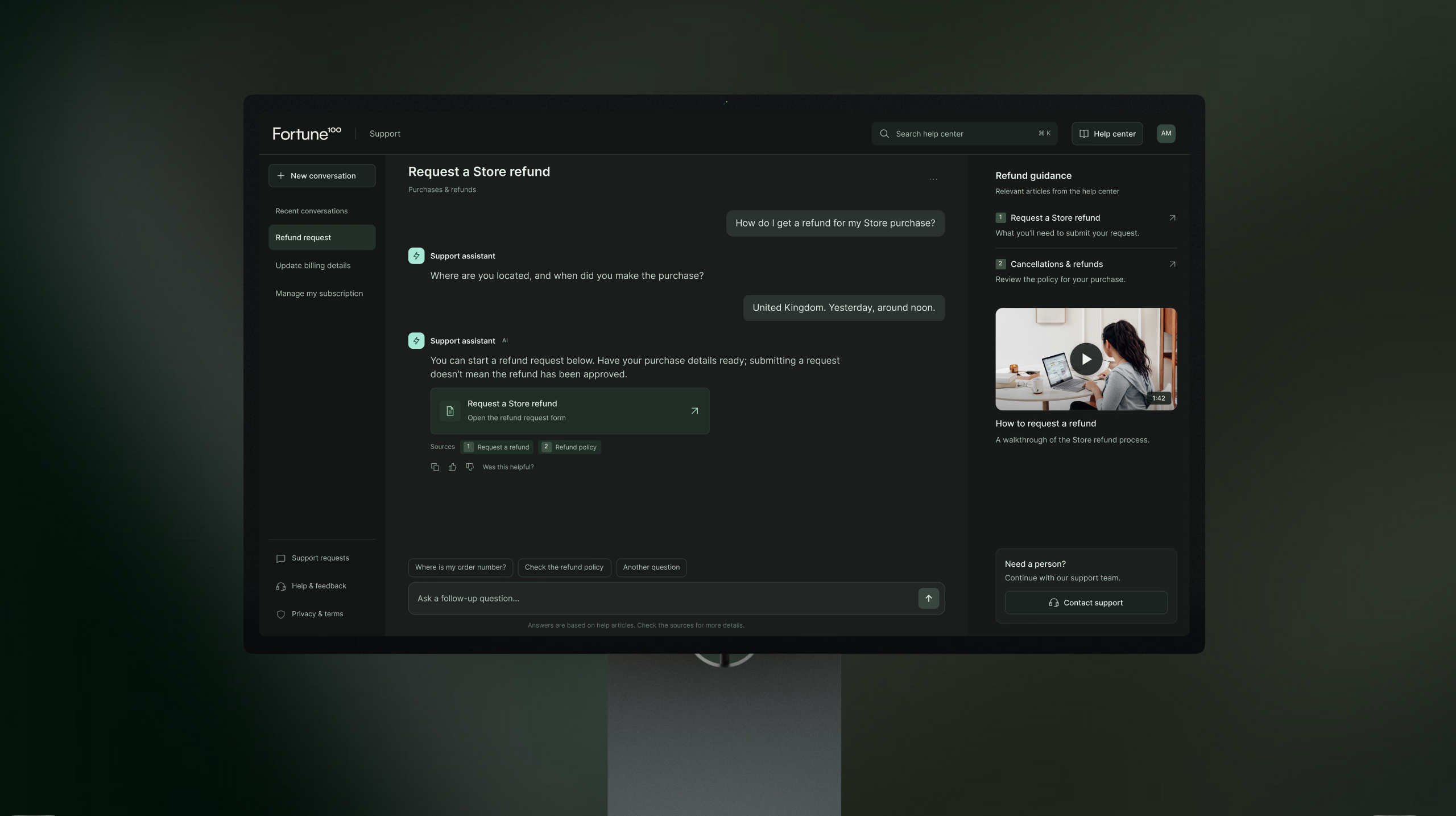
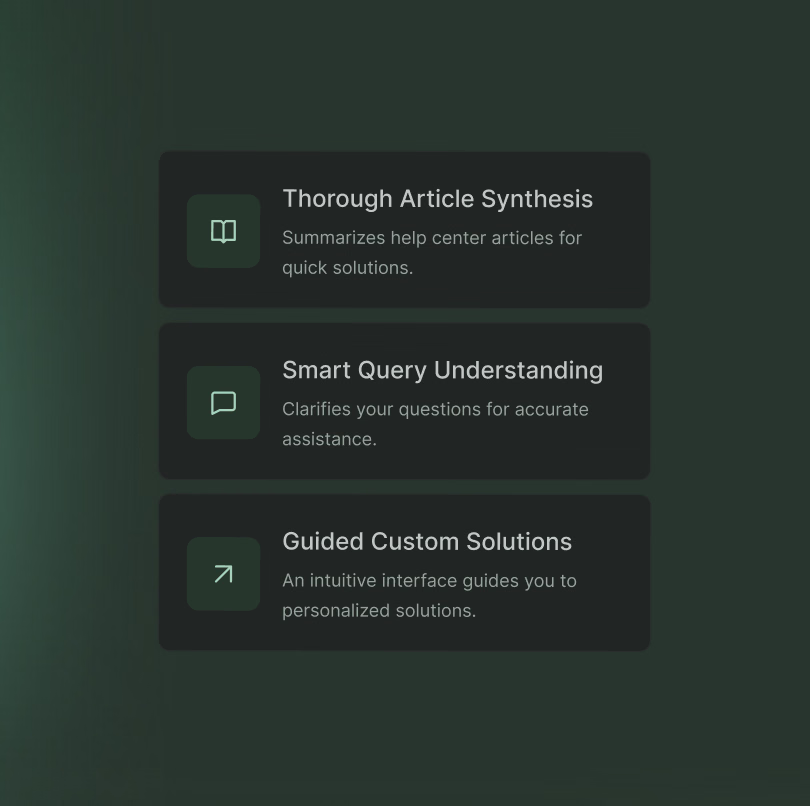
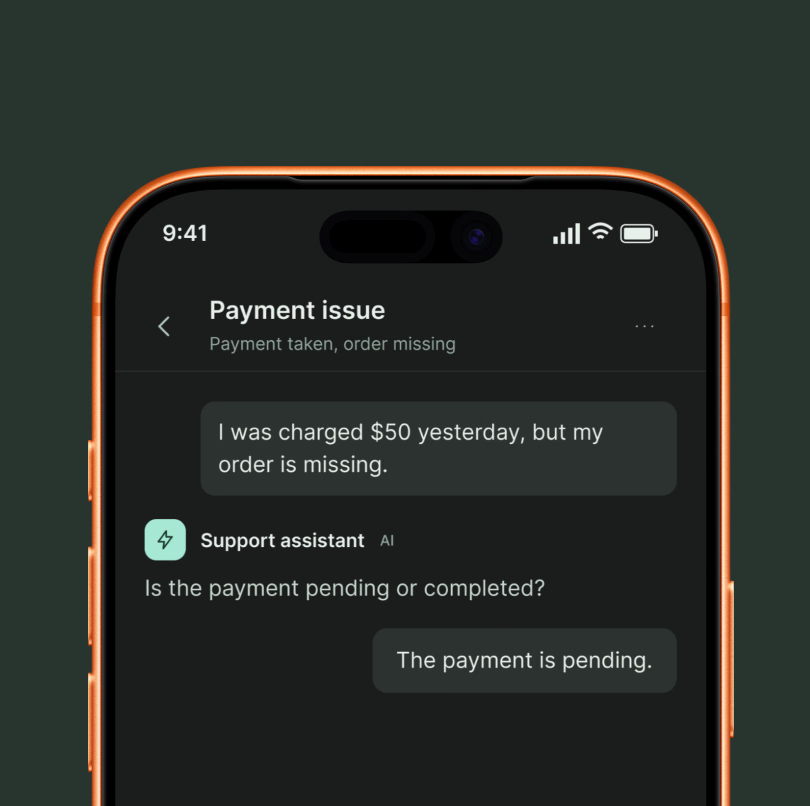
The experience goes beyond returning a list of articles. It asks clarifying questions, uses the customer’s responses to narrow the issue, and breaks guidance into manageable steps.
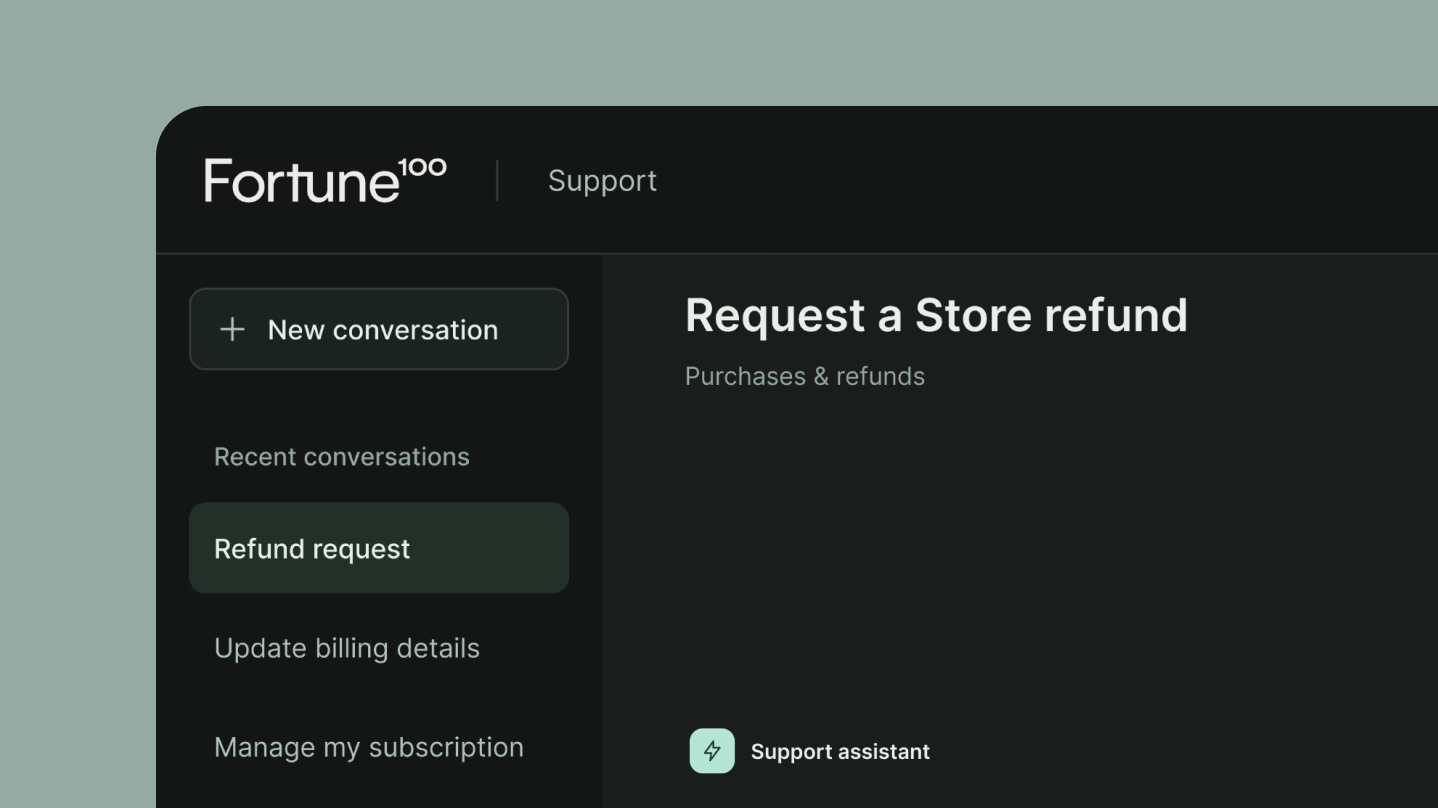
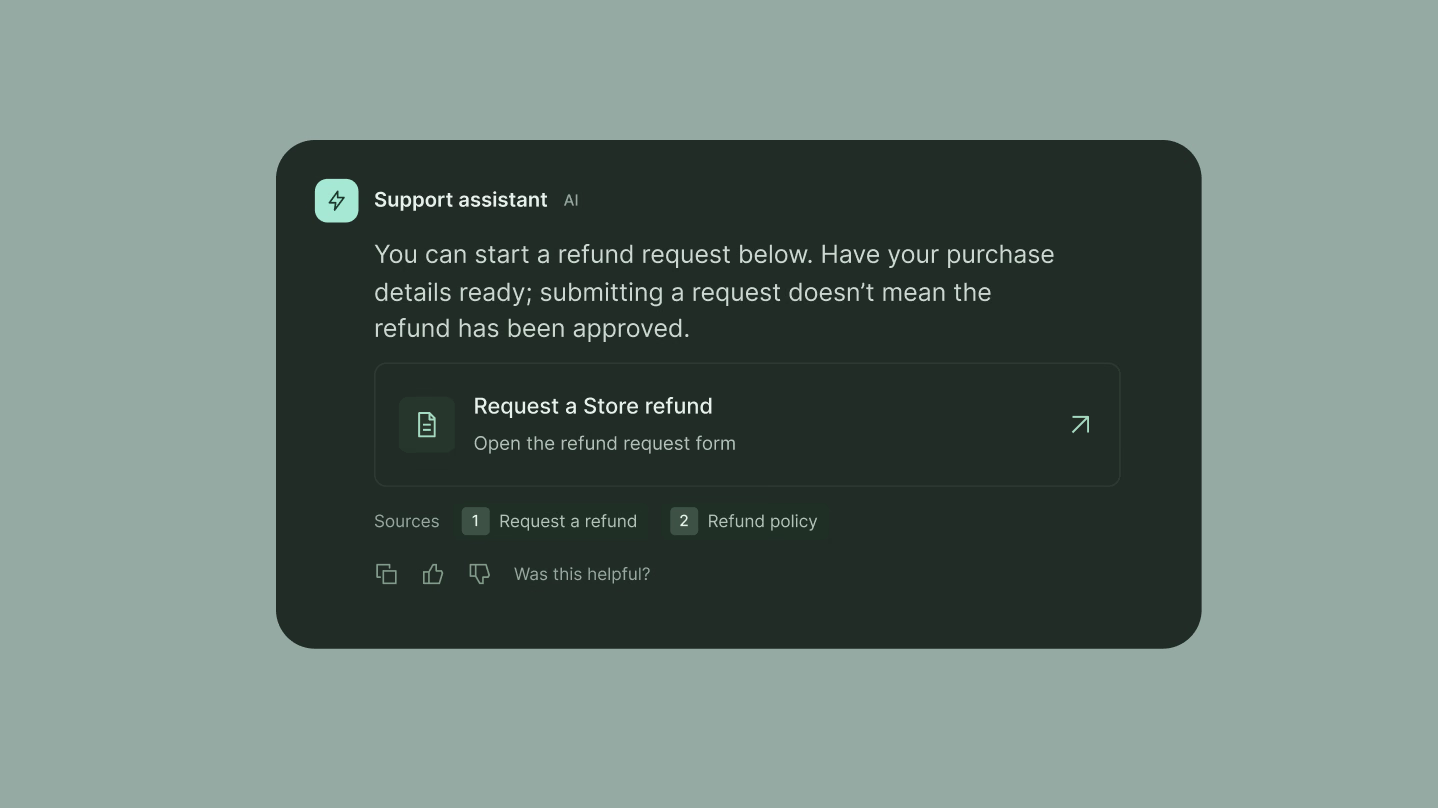
For a refund question, for example, the assistant can clarify where and when a purchase was made before pointing the customer toward the relevant process.
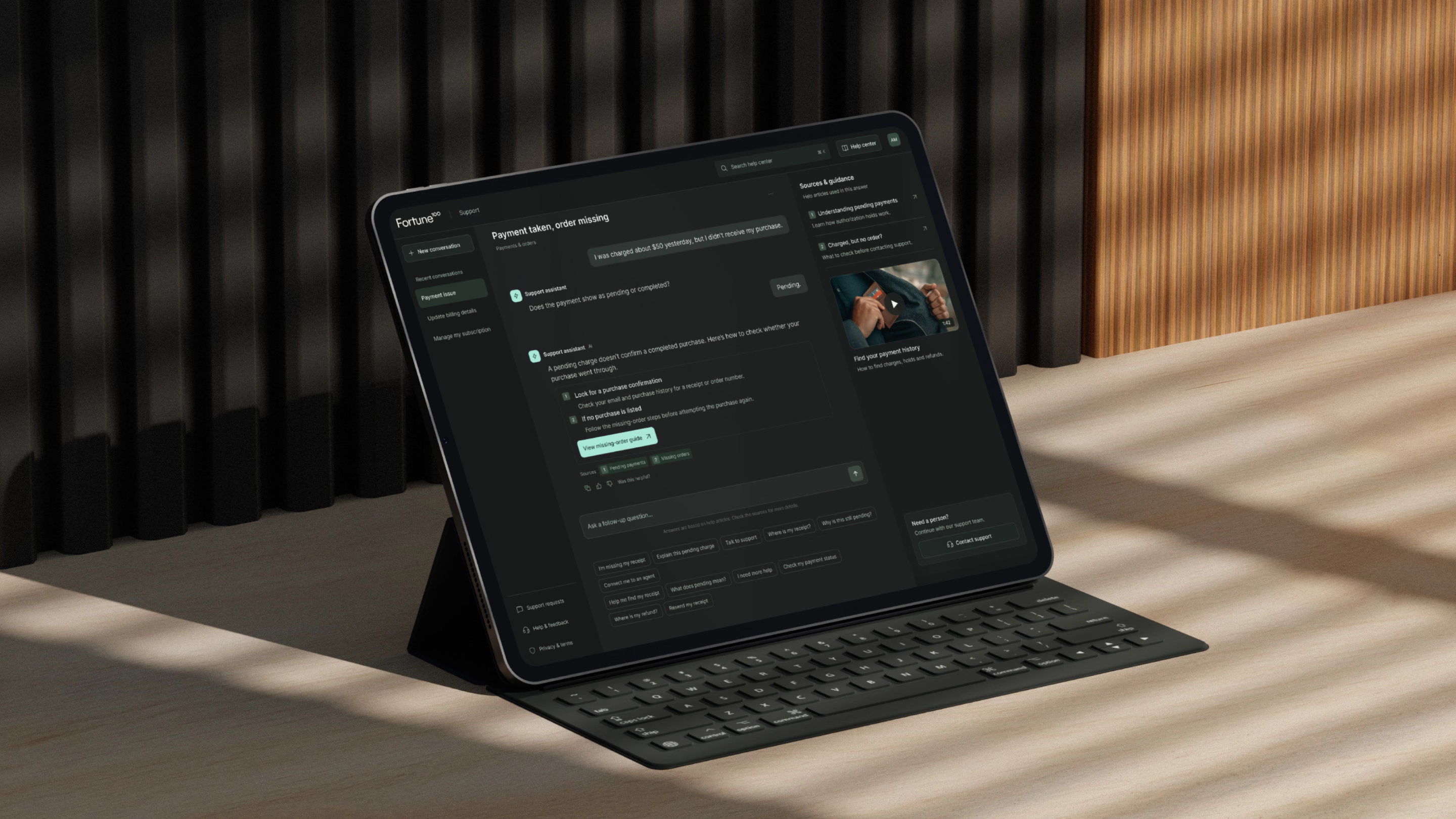
Ask. Clarify. Take the next step.
Automatic article ingestion makes existing support content available to the assistant. Customers describe their issue in their own words. The assistant interprets the request, asks for missing context when needed, and uses relevant documentation to shape its response.
The interface brings conversation, supporting content, and next steps together, helping customers act on the information they receive.
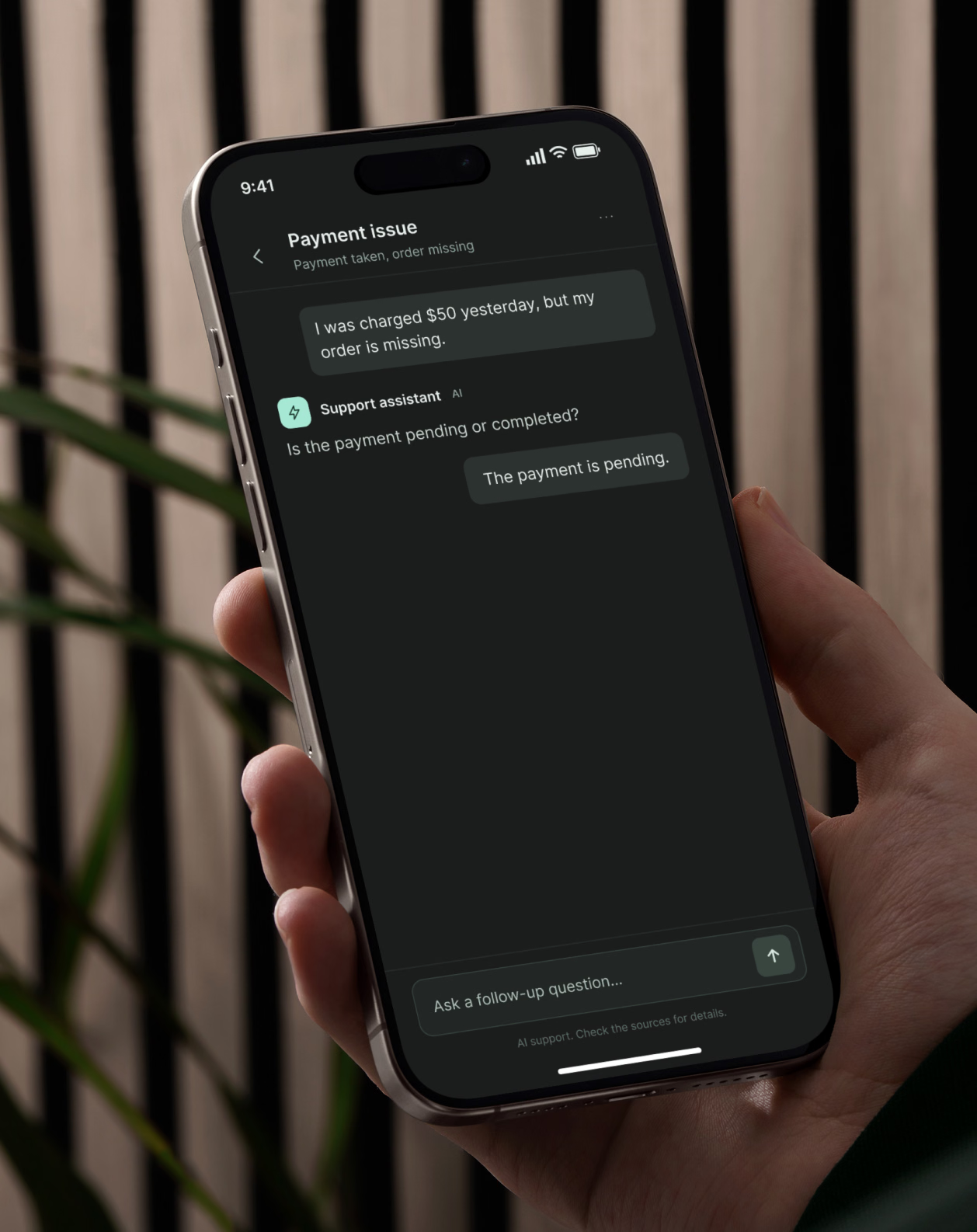
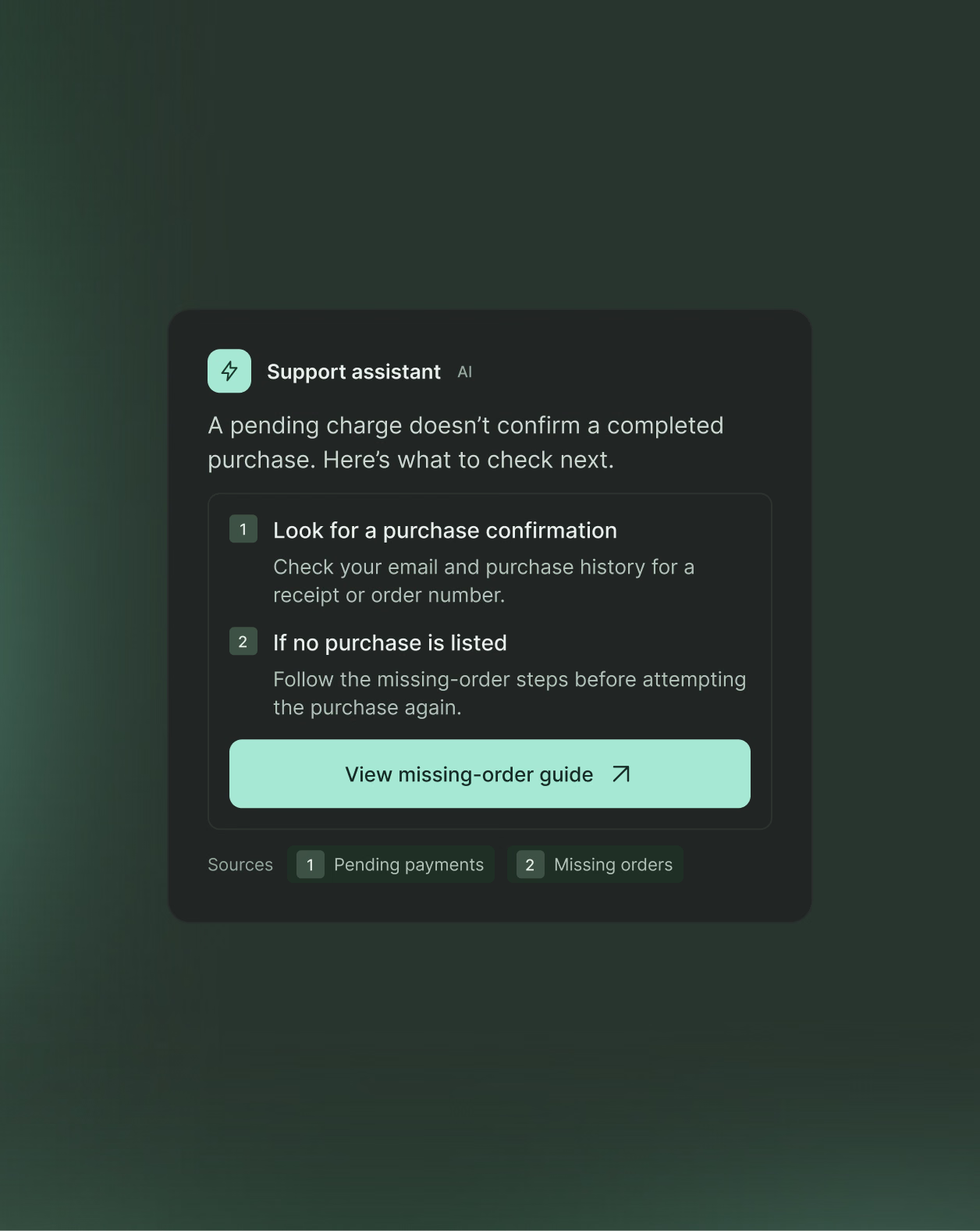
Designed around how people ask for help
Support questions are rarely perfectly phrased. People misspell words, leave out context, or describe symptoms without knowing the underlying problem.
Our development approach explored intent recognition, follow-up questions, and guardrails for unrelated requests. We evaluated models and frameworks while balancing answer accuracy, response speed, and ease of use.
Testing also addressed a subtler risk: an AI system can combine real source material into an inaccurate answer. That made prompt refinement and comprehensive quality assurance central to the work.
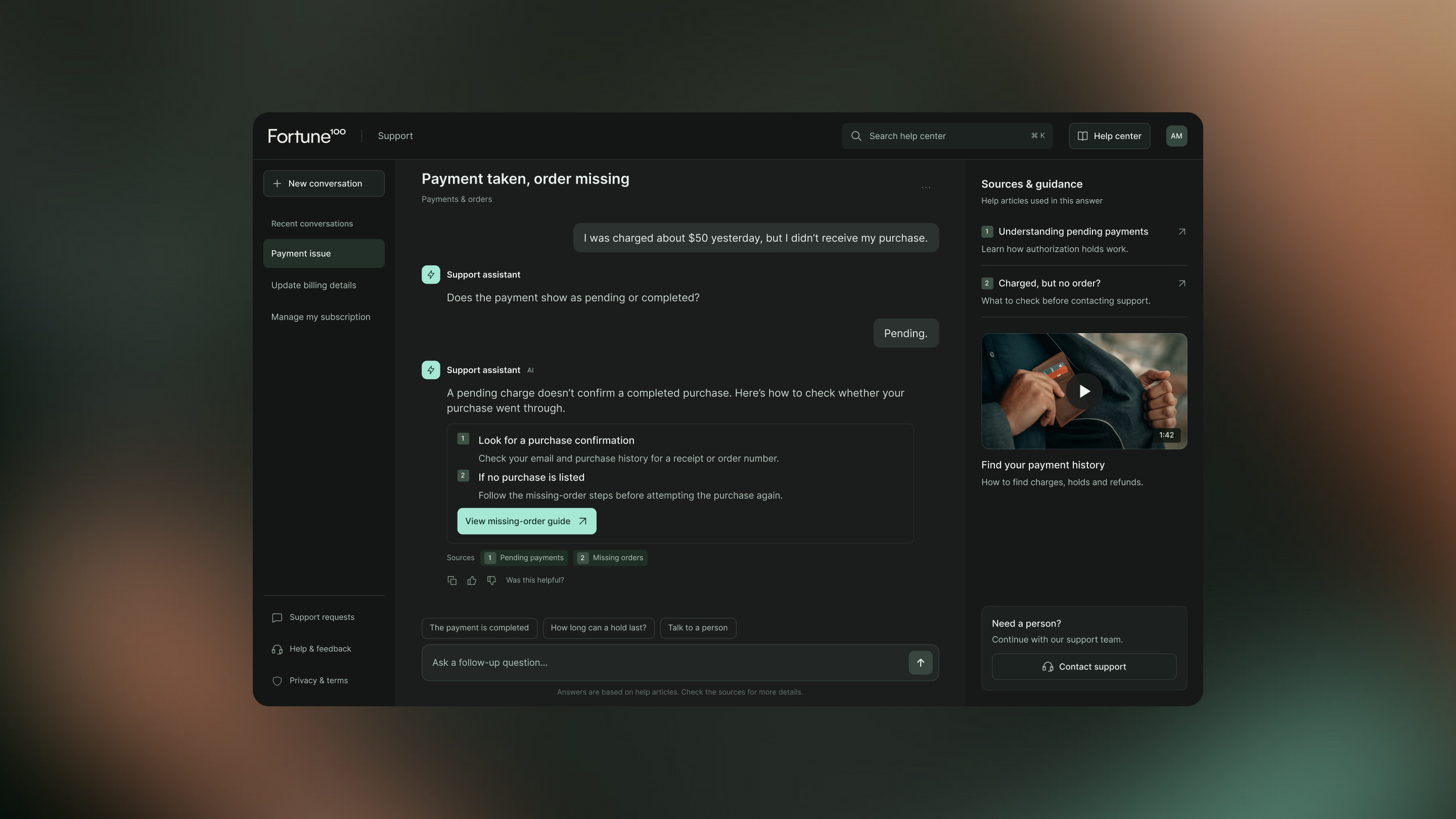
A clearer path from question to action
The delivered assistant made support content accessible through a guided conversation, giving customers a more direct way to find answers and understand their next step.

.svg)
.avif)